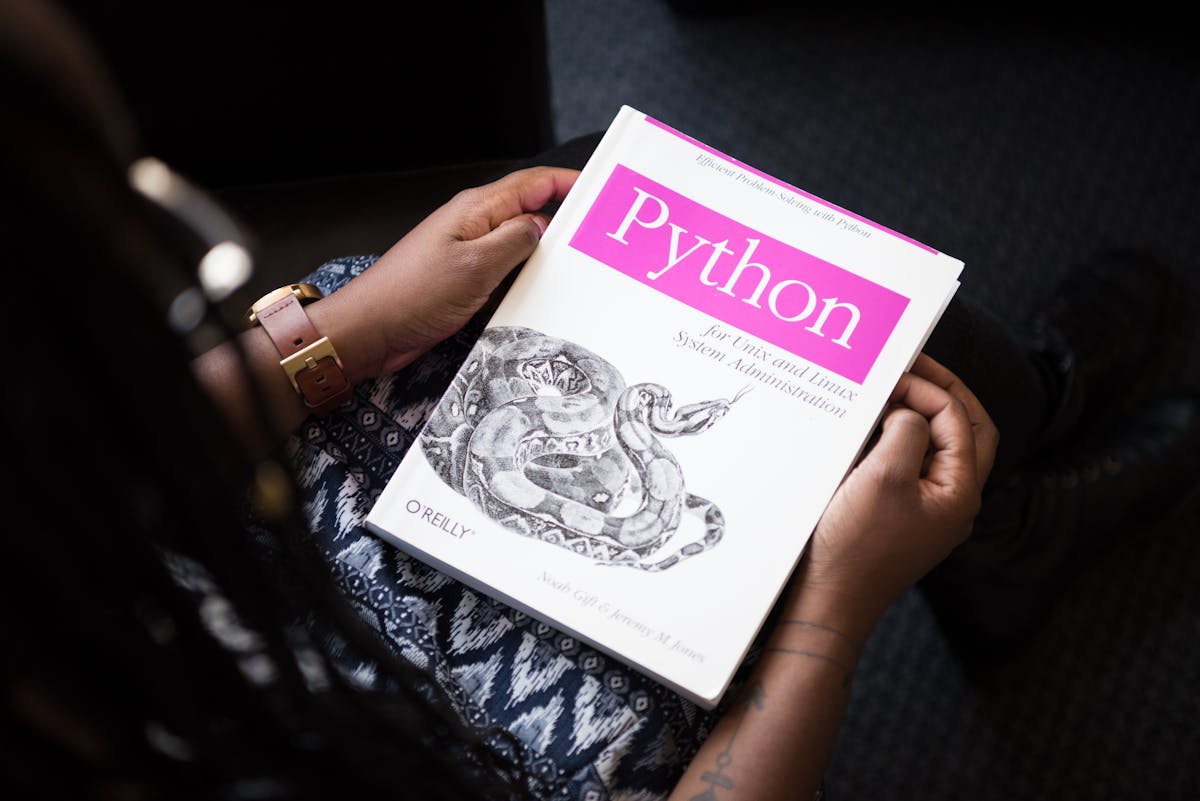
Learning to code in 2026 is genuinely different from what it was even three years ago. The fundamentals haven’t changed — you still need to understand logic, data structures, and how software is built — but the tools available to beginners have transformed dramatically. AI assistants can now explain errors in plain English, walk you through concepts step by step, and even review your code as you write it. This guide is your practical roadmap: what to learn first, which resources are actually worth your time, how to use AI without crutching on it, and what realistic progress looks like.
Step One: Pick One Language and Commit to It
The single biggest mistake new learners make is bouncing between languages. Python vs JavaScript vs Go vs Rust — the debate never ends online, and it will waste weeks of your time if you let it.
For most beginners in 2026, the answer is Python or JavaScript, and here is how to decide:
- Choose Python if you are interested in data, automation, AI/ML, or you just want the gentlest possible on-ramp. Python reads almost like English, the indentation rules force clean habits, and there is an enormous ecosystem for practically every use case.
- Choose JavaScript if you want to build things for the web — websites, interactive apps, full-stack projects. JavaScript runs in every browser, which means you can see results immediately without any setup.
Both are excellent first languages. Both have massive communities, tons of free resources, and strong job markets. Pick one based on what you want to build, then stay the course for at least three months before even thinking about a second language.
The Realistic Learning Timeline
People want a firm number, so here it is: most self-taught beginners go from zero to “I can build small working projects” in three to six months of consistent, focused practice. “Consistent” means roughly one to two hours per day on most days — not marathon weekend sessions that burn you out.
Here is a rough breakdown of what that looks like:
- Month 1: Syntax, variables, loops, functions, basic problem-solving
- Month 2: Data structures, how to read documentation, debugging basics
- Month 3: Building small projects, working with libraries, learning git
- Months 4–6: Bigger projects, frameworks, connecting to APIs, deploying something live
This timeline assumes you are using structured resources and not just wandering through tutorials randomly. Which brings us to the best free resources available in 2026.
Free Resources Worth Your Time
freeCodeCamp
freeCodeCamp remains one of the best free coding resources in the world. Their curriculum is structured, project-based, and genuinely comprehensive. The JavaScript path (Responsive Web Design + JavaScript Algorithms and Data Structures) has helped millions of people get their first developer job. The Python certification pathway is also solid. Everything is free, browser-based, and you can start in minutes.
The Odin Project
The Odin Project takes a different approach — it is opinionated, open-source, and focused on building real things from day one. The curriculum for web development (HTML, CSS, JavaScript, then Node or Ruby) is one of the most respected free paths in the industry. It is harder than freeCodeCamp in the best way: it forces you to figure things out rather than holding your hand at every step. If you can commit to it, it produces real-world-ready developers.
CS50 from Harvard
CS50 is legendary for good reason. This free course (available on edX and YouTube) teaches computer science fundamentals — not just syntax, but how to think like a programmer. It covers C, Python, SQL, and web development. It is challenging, but completing it gives you a foundation that paid bootcamps often skip. Even just the first four weeks are worth doing.
Mimo and Codecademy
For mobile-first learning, Mimo is excellent for short daily sessions. Codecademy’s free tier covers Python and JavaScript basics interactively. Neither replaces a full curriculum, but both are great for building daily habits.
How AI Tools Change the Learning Process
This is where 2026 is genuinely different. AI tools do not replace learning — but they dramatically accelerate it when used correctly. Here is what they can actually do for you as a beginner:
Explain errors in plain English. When you get a confusing error message, instead of spending 30 minutes on Stack Overflow, you can paste it into ChatGPT or Claude and get a clear explanation. More importantly, you can ask “why does this happen?” and get a conceptual answer.
Answer follow-up questions instantly. Good textbooks answer the questions they expect you to have. AI tutors answer the questions you actually have, at the moment you have them. “Wait, why does Python use indentation instead of brackets?” — just ask.
Review your code. Paste a function and ask “what could I do better here?” or “is there anything wrong with this?” You get immediate feedback that would otherwise require a mentor or peer review.
Generate practice problems. Ask for five practice problems on Python lists, or a beginner-level challenge involving loops and conditionals. Infinite, personalized exercises.
For a deeper look at using one specific AI tool for learning, see our guide on How to Learn Coding with ChatGPT in 2026 — it covers prompting strategies that actually work for beginners.
You should also check out our roundup of Best AI Tutors for Learning Programming for a comparison of tools specifically designed for coding learners.
The Right Way to Use AI While Learning
There is a right way and a wrong way. The wrong way is asking AI to write your code for you, then copy-pasting it, then moving on. You learn nothing, and you will hit a wall fast.
The right way is treating AI like a knowledgeable tutor who is always available:
- Attempt the problem yourself first. Even if your attempt is completely wrong, the effort of trying activates your problem-solving process. Then show AI your attempt and ask where you went wrong.
- Ask for explanations, not just solutions. “Can you explain why this solution uses a dictionary here instead of a list?” is worth ten times more than “write me a function that does X.”
- Use AI to check your understanding. After learning a concept, ask AI to quiz you on it. Have it ask you questions and give you feedback on your answers.
- Let AI unstick you, not replace you. When you have been genuinely stuck for 20 minutes, use AI to get unstuck. Then understand the solution before moving on.
Common Roadblocks (and How to Push Through)
“I understand the tutorial but can’t build anything.” This is called tutorial hell, and it is extremely common. The fix is simple but uncomfortable: stop watching tutorials and start building something broken. Pick the smallest possible project idea — a number guessing game, a unit converter, a script that renames files — and build it with AI as your guide, not your hands.
“I’m not a math person.” Most programming does not require advanced math. Basic arithmetic, some logic, and occasionally algebra is enough for the vast majority of applications. Data science and game development get more math-heavy, but web development, automation, and scripting barely touch it. Do not let this stop you.
“I get it one day and completely lose it the next.” This is how learning works. Spaced repetition is real. The second time a concept clicks, it sticks better. Keep going.
“I don’t know if I’m learning the right things.” Stick to a curriculum (freeCodeCamp, Odin Project, CS50) rather than jumping between random YouTube videos. Curriculums have intentional sequencing; random videos do not.
“I compare myself to people online who seem so far ahead.” Those people started before you. That is the whole difference. You will be that person for someone else in a year.
Building Your First Project Before You Feel Ready
Most beginners wait until they feel “ready” to build something real. That moment never comes. You need to build before you are ready — the discomfort and problem-solving of a real project teaches you more than any tutorial.
A good first project has these characteristics:
- It solves a problem you personally have
- It is small enough to finish in one to two weeks
- It forces you to combine multiple concepts (not just practice one in isolation)
Ideas that work well: a habit tracker (Python), a personal budget calculator (Python or JavaScript), a webpage that displays your resume (HTML/CSS/JavaScript), a script that organizes files in a folder (Python).
Build it ugly. Build it broken at first. That is the process.
What “Learning to Code” Actually Means in 2026
One final mindset shift: in 2026, knowing how to code does not necessarily mean being able to write every line from memory. It means understanding how programs work, being able to read and modify code, knowing how to break down problems, and knowing how to use the tools available — including AI — to build things effectively.
The developers who thrive are not the ones who memorize syntax. They are the ones who can think clearly about problems, communicate with AI tools effectively, and build and ship real things. That is entirely learnable. And this roadmap is where it starts.
Conclusion
Learning to code in 2026 is more accessible than ever, but it still requires deliberate practice, the right resources, and the discipline to push through frustration. Start with Python or JavaScript, follow a structured curriculum like freeCodeCamp or The Odin Project, use AI as an always-available tutor rather than a shortcut, and build something real as soon as possible.
The timeline is three to six months to meaningful progress. The investment is one to two hours per day. The payoff — the ability to build things that did not exist before you made them — is worth every frustrating error message along the way.
Ready to take the next step? Explore Our Courses for structured, hands-on paths designed specifically for beginners using AI tools to learn faster.
Related Reading
- What is vibe coding? — and when it will hurt your learning
- Claude Code vs Cursor — picking your first serious AI tool